Economic Trends Every Project Manager Must Master to Future-Proof Your Projects in 2024

webmaster

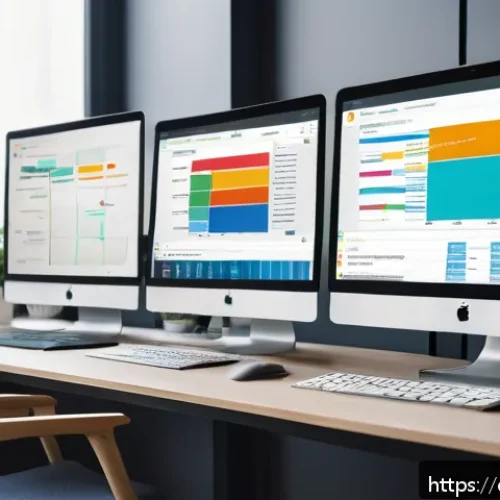
프로젝트 매니저가 알아야 할 경제 트렌드 - A modern project manager’s office environment showing a large digital dashboard with real-time infla...

As 2024 unfolds, project managers face a rapidly shifting economic landscape that demands agility and insight more than ever. From inflation fluctuations to evolving supply chain challenges, understanding these trends isn’t just beneficial—it’s essential for keeping projects on track and within budget.

프로젝트 매니저가 알아야 할 경제 트렌드 관련 이미지 1

In this post, we’ll dive into the key economic forces shaping the year ahead and explore how mastering them can safeguard your projects against uncertainty.

Whether you’re steering a small team or leading complex initiatives, staying ahead of these shifts will empower you to make smarter decisions and drive success in an unpredictable market.

Let’s unpack what every project manager needs to know to future-proof their work in 2024.

Adapting to Inflation’s New Norms

Understanding Inflation’s Impact on Project Budgets

Inflation in 2024 is proving to be more unpredictable than many anticipated. For project managers, this means that traditional budgeting methods might no longer hold up.

I’ve noticed firsthand how cost estimates can quickly become outdated as material prices and labor costs fluctuate. For example, a construction project I was involved with saw steel prices jump unexpectedly within a month, forcing us to revisit contracts and negotiate harder to keep the budget intact.

It’s not just about adjusting numbers but anticipating these shifts by staying informed through reliable financial news and inflation indicators. Tracking Consumer Price Index (CPI) changes monthly and understanding their ripple effect on your project expenses can save you from nasty surprises.

Strategies to Mitigate Inflation Risks

One approach that’s worked well is incorporating contingency buffers specifically for inflationary pressures rather than lumping them into general overheads.

From my experience, communicating this clearly to stakeholders helps manage expectations early on. Additionally, locking in prices with suppliers through fixed-rate contracts or bulk purchasing when prices are favorable can shield your project from sudden hikes.

Another tip is to prioritize tasks that require expensive resources earlier in the timeline, effectively “buying” at today’s rates before inflation potentially spikes again.

Using inflation-adjusted forecasting models also adds a layer of precision in planning that traditional spreadsheets often miss.

Leveraging Technology for Real-Time Cost Monitoring

Technology has become an ally in this battle against inflation uncertainty. Tools that track market prices for key resources and integrate those data points into your project management software allow for near real-time cost visibility.

I’ve seen teams reduce overruns significantly by receiving early warnings when supplier costs start trending upward. Beyond software, AI-driven analytics can predict inflation trends based on historical data and current economic indicators, giving you a proactive edge.

Embracing these technologies isn’t just a luxury anymore—it’s a necessity to keep your project financially healthy.

Advertisement

Rethinking Supply Chain Resilience

Identifying Vulnerabilities in Your Supply Network

Supply chain disruptions continue to challenge projects worldwide, and 2024 is no different. One lesson I learned the hard way was underestimating the ripple effect of a delayed shipment on a tightly scheduled project.

It’s crucial to map out every supplier and logistics partner involved and understand their risk profiles. Are they located in regions prone to geopolitical tensions or natural disasters?

Do they rely heavily on a single transportation route? This level of insight allows you to anticipate where bottlenecks might occur and prepare alternatives in advance.

Building Flexible and Diverse Supplier Relationships

Diversification is key when it comes to supply chains. Relying on one or two suppliers can leave you vulnerable to sudden shutdowns or price spikes. In my projects, developing relationships with multiple vendors—even if it means slightly higher costs upfront—pays off by offering flexibility when disruptions hit.

Also, establishing strong communication channels and contractual agreements that include penalties for delays motivates suppliers to prioritize your orders.

This kind of proactive supplier management creates a buffer against uncertainty and keeps your timelines intact.

Integrating Local and Nearshoring Options

Nearshoring has gained traction as a way to reduce dependency on distant suppliers and lengthy shipping times. I’ve found that incorporating local or regional suppliers, even partially, can drastically improve responsiveness and reduce risk.

While costs may sometimes be higher, the tradeoff in reliability and faster turnaround often justifies the expense. Plus, nearshoring aligns well with sustainability goals many organizations are adopting, adding another layer of value to your project’s supply strategy.

Advertisement

Mastering Cash Flow in a Volatile Economy

Forecasting Cash Flow with Greater Precision

Cash flow remains the lifeblood of any project, and volatility in 2024 demands sharper forecasting skills. I’ve started using rolling forecasts instead of static ones, updating projections every few weeks as new data comes in.

This dynamic approach helps catch potential shortfalls early and allows for timely corrective actions. Also, understanding payment cycles and aligning them with your project’s expense schedule can prevent crunches that stall progress.

For instance, negotiating milestone-based payments with clients or sponsors ensures you receive funds aligned with project phases, reducing financial strain.

Optimizing Working Capital Management

Managing working capital effectively requires balancing receivables, payables, and inventory. From my experience, accelerating receivables collection—by offering early payment discounts or using factoring services—boosts liquidity.

On the payables side, negotiating longer payment terms without damaging supplier relationships can free up cash. Additionally, avoiding excessive inventory buildup is critical; overstocking ties up capital unnecessarily, especially when demand is uncertain.

Implementing just-in-time inventory practices where feasible can improve cash flow and reduce waste.

Leveraging Financial Tools for Stability

Financial instruments like lines of credit or project-specific loans can provide a safety net during cash flow fluctuations. I recommend working closely with your finance team or external advisors to understand the costs and terms involved.

Another useful tool is cash flow management software that integrates with your project schedules and financial systems, offering real-time visibility and automated alerts.

These tools not only enhance control but also build confidence with stakeholders by demonstrating proactive financial stewardship.

Advertisement

Embracing Agile Planning Amid Economic Shifts

Why Agile Is More Relevant Than Ever

Rigid, long-term project plans often falter in the face of economic uncertainty. What I’ve found is that adopting agile methodologies allows project teams to pivot quickly when conditions change.

Breaking projects into smaller, manageable chunks with frequent reviews creates opportunities to reassess priorities and resource allocation. This iterative approach reduces risk and helps maintain momentum despite external shocks.

It’s not about abandoning discipline but blending structure with flexibility to navigate unpredictability.

Implementing Agile Practices in Traditional Environments

Transitioning to agile can be challenging, especially in industries or organizations accustomed to waterfall approaches. In my experience, starting with hybrid models—where core deliverables are planned upfront but execution remains adaptable—works well.

Encouraging open communication, regular stand-ups, and empowered teams fosters a culture that embraces change rather than resists it. Training stakeholders on the benefits of agile and involving them in feedback loops builds trust and alignment, which are critical for success.

Tools That Support Agile Project Management

Several digital tools facilitate agile workflows, from task boards like Jira and Trello to integrated project management suites that combine scheduling, collaboration, and reporting.

I’ve used these platforms to keep everyone on the same page, track progress transparently, and quickly identify blockers. Automations that trigger alerts when tasks slip or dependencies arise further enhance responsiveness.

프로젝트 매니저가 알아야 할 경제 트렌드 관련 이미지 2

Selecting the right tool depends on your team size, project complexity, and existing systems, but investing in one pays dividends in agility.

Advertisement

Decoding Labor Market Dynamics

Understanding Talent Availability and Costs

Labor market shifts in 2024 are influencing project staffing strategies more than ever. Skilled labor shortages in certain sectors have driven wages up, and competition for talent is fierce.

From my perspective managing teams, it’s vital to anticipate these trends early and adjust hiring plans accordingly. For instance, projects with highly specialized roles might require longer lead times for recruitment or the use of contractors to bridge gaps.

Keeping tabs on regional labor market reports and salary benchmarks helps set realistic budgets.

Enhancing Workforce Flexibility

Remote work and gig economy trends continue to reshape how projects source talent. Offering flexible work arrangements not only attracts a broader pool of candidates but also supports retention.

I’ve observed that hybrid models, where core activities happen onsite while others are remote, optimize productivity and morale. Cross-training team members to cover multiple roles increases resilience against sudden absences or turnover.

Embracing workforce agility means your project can adapt staffing levels and skills mix as economic conditions evolve.

Investing in Training and Development

Upskilling existing employees is often more cost-effective than constant hiring. I recommend incorporating continuous learning programs aligned with your project’s technical and soft skill needs.

This approach builds internal capabilities, reduces dependency on external hires, and fosters a culture of growth. Additionally, it signals to your team that you value their development, which boosts engagement.

From my experience, projects with well-trained, motivated teams weather economic ups and downs more smoothly.

Advertisement

Evaluating Geopolitical Risks Affecting Projects

Identifying External Threats to Project Stability

Geopolitical events, from trade disputes to regional conflicts, can suddenly alter supply chains, regulations, and market conditions. I’ve seen projects stall due to unexpected tariffs or border closures that weren’t on the radar during planning.

Staying updated on global news and working with risk analysts helps identify these threats early. It’s important to assess how dependent your project is on specific countries or trade routes and consider alternative plans.

Incorporating Risk Management into Project Plans

Robust risk management frameworks that include geopolitical factors are essential. This means not only listing potential risks but assigning probabilities, impacts, and mitigation strategies.

I’ve found scenario planning exercises useful—imagining how different geopolitical developments could affect timelines, costs, or resource availability.

Integrating these insights into decision-making processes ensures your project remains resilient and ready to pivot when needed.

Building Strong Stakeholder Communication Channels

When geopolitical risks materialize, clear and timely communication with stakeholders is critical to maintain trust and coordinate responses. I recommend establishing protocols for regular updates and rapid escalation paths.

Sharing how risks are being managed and what contingency plans are in place reassures clients, sponsors, and team members alike. Transparency during uncertain times strengthens relationships and facilitates smoother project navigation.

Advertisement

Key Economic Indicators Every Project Manager Should Track

Understanding the Most Relevant Metrics

Keeping an eye on a handful of economic indicators can provide early warning signs of shifts that will impact your projects. Inflation rates, unemployment figures, commodity prices, and interest rates are among the top metrics.

Based on my experience, knowing how these indicators affect your industry and project type is crucial. For example, rising interest rates might increase borrowing costs, while labor market tightness could signal upcoming wage inflation.

Frequency and Sources for Reliable Data

I recommend monitoring these indicators on a monthly or quarterly basis, depending on project duration and sensitivity. Trusted sources like government statistical offices, central banks, and reputable financial news outlets offer timely and accurate data.

Setting up automated alerts or dashboards that consolidate this information saves time and ensures you don’t miss important trends. Cross-referencing multiple sources helps validate the data and avoid surprises.

Translating Data into Project Decisions

The real value comes from interpreting what these numbers mean for your specific projects. For instance, if commodity prices spike, you might accelerate procurement or reassess material specifications.

If unemployment drops sharply, anticipate potential labor shortages and plan recruitment accordingly. I’ve found that discussing these insights regularly with your team and stakeholders promotes proactive rather than reactive management, improving project outcomes.

Economic Indicator Typical Impact on Projects Recommended Monitoring Frequency Suggested Action
Inflation Rate Increases material and labor costs, affects budget accuracy Monthly Adjust budgets, include inflation contingencies, lock in prices
Interest Rates Influences borrowing costs and financing availability Monthly Reassess financing strategies, renegotiate loan terms
Commodity Prices Affects procurement costs for raw materials Monthly Accelerate purchases, explore alternative materials or suppliers
Unemployment Rate Indicates labor market tightness and wage pressures Quarterly Plan recruitment timelines, consider contractor use
Supply Chain Indices Signals delays or disruptions in logistics Monthly Develop alternative sourcing, update delivery schedules
Advertisement

In Conclusion

Adapting to today’s economic landscape requires vigilance, flexibility, and strategic planning. By understanding inflation’s impact, reinforcing supply chains, managing cash flow smartly, and embracing agile methods, project managers can navigate uncertainty with greater confidence. Keeping an eye on key economic indicators and geopolitical risks further strengthens project resilience. Ultimately, proactive and informed decision-making is the key to sustaining project success amid volatility.

Advertisement

Useful Information to Keep in Mind

1. Regularly update your project budgets to reflect current inflation trends and avoid unexpected cost overruns.

2. Diversify suppliers and build strong communication channels to mitigate supply chain disruptions effectively.

3. Use rolling cash flow forecasts and financial tools to maintain liquidity and respond swiftly to funding needs.

4. Introduce agile practices gradually to increase project adaptability without sacrificing structure.

5. Monitor economic indicators monthly and translate these insights into actionable project adjustments.

Advertisement

Key Takeaways

Successful project management today hinges on anticipating economic shifts and incorporating flexibility at every stage. Prioritize real-time cost tracking, diversify supplier networks, and maintain tight control over cash flow. Embrace agile methodologies to respond quickly to changes, and keep communication transparent to build stakeholder trust. Staying informed about labor market trends and geopolitical risks ensures your project can adapt and thrive despite uncertainty.

Frequently Asked Questions (FAQ) 📖

Q: uestionsQ1: How can project managers adapt to inflation fluctuations in 2024 to keep budgets under control?

A: Inflation can unpredictably drive up costs for materials, labor, and services, which makes budget management trickier. From my experience, the key is to build in flexible contingencies and continuously monitor market prices.
Regularly revisiting contracts with suppliers to negotiate better terms or lock in prices early can also help. Using real-time financial tracking tools allows you to spot cost overruns early and adjust plans proactively rather than reactively.
Staying informed about inflation trends through economic reports gives you a strategic advantage to forecast and plan more accurately.

Q: What strategies are effective for managing supply chain disruptions this year?

A: Supply chain challenges remain a top headache in 2024, from delays to increased freight costs. What worked well for me was diversifying suppliers instead of relying on a single source, which reduces risk if one link breaks.
Building stronger relationships and clear communication channels with suppliers improves transparency and responsiveness. Additionally, incorporating buffer times into your project schedule cushions the impact of unexpected delays.
Leveraging technology like supply chain management software can give you better visibility and predictive analytics, helping you anticipate problems before they snowball.

Q: How can project managers make smarter decisions amid economic uncertainty?

A: Economic uncertainty calls for a mindset shift towards agility and data-driven decision-making. I’ve found that combining quantitative data—like cost forecasts and market indicators—with qualitative insights from team feedback and stakeholder input leads to more balanced decisions.
Scenario planning is another powerful tool; by imagining different economic conditions and their impact on your project, you can prepare flexible responses ahead of time.
Lastly, fostering a culture of open communication within your team encourages quick adaptation and innovative problem-solving when surprises arise.

📚 References


➤ Link

– Google Search

➤ Link

– Bing Search

➤ Link

– Google Search

➤ Link

– Bing Search

➤ Link

– Google Search

➤ Link

– Bing Search

➤ Link

– Google Search

➤ Link

– Bing Search

➤ Link

– Google Search

➤ Link

– Bing Search

➤ Link

– Google Search

➤ Link

– Bing Search

➤ Link

– Google Search

➤ Link

– Bing Search

➤ Link

– Google Search

➤ Link

– Bing Search